Homes in Tulsa, OK

CompCasa Valuations & Market Research

1 properties analyzed · 3–3 bedrooms · Median estimate $293,500

Living in Tulsa, OK

CompCasa analysis of Tulsa's housing market

About Tulsa

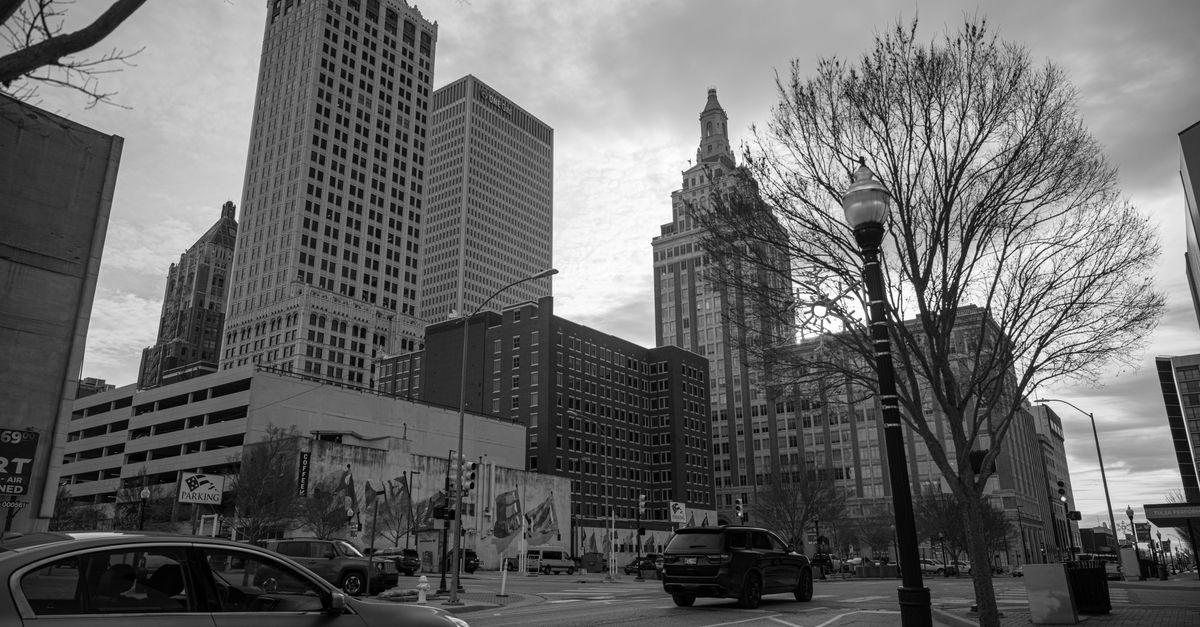
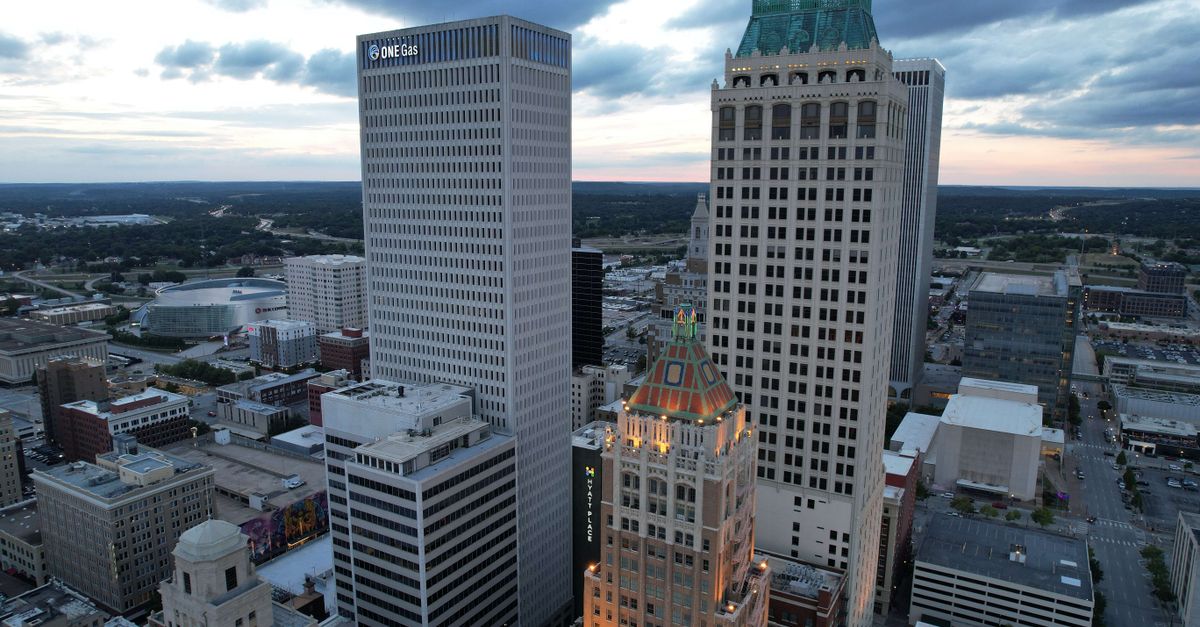
Tulsa, Oklahoma is a vibrant Midwestern city with a unique blend of history, culture, and modern amenities that make it an attractive place to live. Known for its iconic Art Deco architecture born from an oil‑era boom, Tulsa mixes historic charm with growing creative and tech scenes. The city sits along the Arkansas River and is anchored by scenic parks, cultural districts, and a revitalized downtown, offering both urban energy and quiet residential streets.

Residents appreciate Tulsa for its approachable pace of life and strong sense of community. The cost of living and housing options tend to be more affordable than many larger metros, which attracts families, young professionals, and retirees alike. Whether you’re drawn to tree‑lined historic neighborhoods, contemporary infill near the river, or suburban developments with modern amenities, Tulsa delivers diversity in lifestyle and character while retaining an accessible, neighborly feel.

Real Estate Market

The Tulsa real estate market offers a broad spectrum of housing options, from vintage bungalows and Craftsman homes to mid‑century ranches, new construction, and suburban single‑family developments. Buyers will find properties in different price tiers and conditions, including move‑in ready homes, rehab opportunities, and custom builds. Condominium and townhome options are growing in the urban core, providing alternatives for those seeking low‑maintenance living near dining and entertainment.

Market dynamics in Tulsa generally reflect steady demand influenced by affordability, local employment trends, and neighborhood amenities. Buyers should expect competitive situations in highly desirable areas and more negotiating room elsewhere. Working with an experienced local agent, securing financing pre‑approval, and completing thorough inspections are important steps. For sellers, curb appeal and targeted updates often increase interest and shorten time on market, while investors frequently find opportunities in rental housing and value‑add properties.

Neighborhoods & Areas

Downtown Tulsa and the nearby Brady Arts District anchor the city’s cultural and entertainment scene, with loft conversions, new urban housing, theaters, and restaurants. These areas appeal to buyers who want walkable access to nightlife, arts venues, and the riverfront parks. Midtown and Maple Ridge offer classic, tree‑lined streets with historic homes, strong neighborhood schools, and mature landscaping—popular with families and those seeking established character.

Brookside and Cherry Street are lively neighborhoods known for boutique shopping, cafes, and a mix of renovated bungalows and infill homes, attracting young professionals and empty‑nesters. South Tulsa and surrounding suburbs provide larger yards, newer construction, and family‑focused communities with convenient access to schools and shopping. Outlying suburbs such as Jenks, Bixby, and Broken Arrow combine suburban growth with quality schools and outdoor recreation, offering more space while keeping the city within an easy commute.

Lifestyle & Amenities

Quality of life in Tulsa is anchored by a robust cultural calendar, accessible outdoor recreation, and a growing dining scene. The city is home to acclaimed parks and riverfront trails, family‑friendly attractions, and major public gardens. Tulsa’s arts institutions, live music venues, and community festivals create year‑round entertainment options, while a variety of restaurants showcase both regional favorites and innovative cuisine from local chefs.

Families and professionals benefit from a range of educational options, including strong public school districts and reputable private schools, along with higher education institutions that contribute to a skilled workforce. Commuting is generally easier than in larger metros, with a network of highways and a regional airport providing connectivity. For outdoor enthusiasts, nearby lakes, rivers, and greenways support boating, hiking, and cycling close to the city.

Why Consider Tulsa?

Tulsa presents compelling reasons for both homebuyers and real estate investors. The city’s diversified economy—anchored by energy, healthcare, manufacturing, aerospace, and a growing tech and creative sector—supports job stability and local demand for housing. Affordable entry points and a range of property types create opportunities for first‑time buyers and investors seeking rental income or renovation projects with upside potential.

Long‑term value in Tulsa is driven by smart urban revitalization, steady population growth in key neighborhoods, and continued investment in cultural and recreational amenities that enhance livability. Investors often find favorable cash‑flow prospects relative to higher‑cost markets, while homeowners benefit from a balanced lifestyle and strong community infrastructure. Whether your goal is to buy a family home, rent for passive income, or pursue value‑add projects, Tulsa’s combination of affordability, amenities, and steady economic fundamentals makes it worth considering.

1 Properties in Tulsa