Homes in Montana

1 CompCasa-analyzed properties across 1 cities with valuations, comparable sales data, and market insights.

Real Estate in Montana

CompCasa analysis of Montana's housing market

Montana Overview

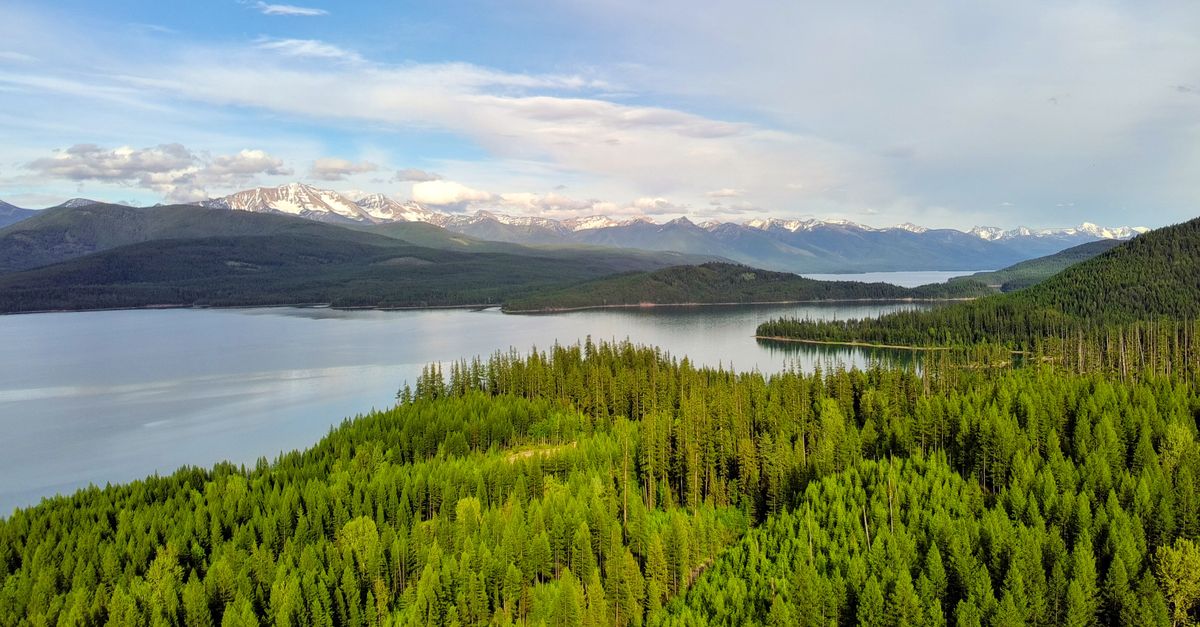
Montana real estate offers a wide-ranging landscape of opportunities, from rugged mountain retreats to expansive prairie ranches. The state is defined by dramatic geography — the Rocky Mountains in the west, broad plains in the east, and iconic rivers and lakes throughout — which creates a variety of residential settings for homebuyers seeking scenery, privacy, or recreational access. Montana’s climate features four distinct seasons, with cold, snowy winters in higher elevations and warm summers ideal for outdoor activities, making it especially appealing to buyers who prioritize nature and seasonal variety.

Population centers are concentrated in a handful of cities and towns, yet much of the state remains open and rural, giving Montana a low-density, small-town feel even near urban amenities. This combination of accessible outdoor recreation, a slower pace of life, and strong cultural ties to land and community draws a diverse mix of buyers: families, retirees, second-home purchasers, and remote workers. For those looking to buy a home in Montana, the state’s natural beauty, recreational infrastructure, and sense of space are enduring attractions that shape the real estate market.

Housing Market

The Montana real estate market is characterized by diversity in property types and pricing, ranging from modest single-family homes in regional towns to luxury mountain estates and working ranches. Urban and university towns tend to offer a mix of condos, starter homes, and newer developments, while resort areas and lakefront communities command premium prices and attract buyers seeking vacation properties. Buyers should expect variability: properties close to ski areas, national parks, or major water features often carry higher value, while more remote acreage and rural homes can be more affordable and appealing for those prioritizing land and privacy.

Inventory and buyer preferences can vary seasonally and regionally, with demand often driven by lifestyle needs such as proximity to recreation, school districts, and employment hubs. Montana’s housing stock includes historic homes, modern construction, cabins, and agricultural properties, so buyers should be prepared for differences in maintenance needs, access to utilities, and local permitting. Working with a local real estate professional is advisable to navigate terrain-specific considerations like road access, well and septic systems, winter weather impacts, and conservation or use restrictions that commonly influence transactions in the state.

Key Regions & Cities

Western Montana, including cities with gateways to national parks and mountain recreation, is known for its dramatic scenery, strong outdoor economies, and communities that cater to tourism and leisure living. Areas near major ski resorts and lakes are popular for second homes and lifestyle buyers seeking proximity to trails, water sports, and winter sports. Central Montana features state capital amenities, a mix of cultural institutions, and accessible services, making it attractive for families and those seeking local employment with a balance of town and country living.

Eastern Montana and the plains offer expansive ranchland and agricultural properties, appealing to buyers interested in farming, ranching, or large-lot privacy. Smaller towns and regional hubs provide lower-density living and more affordable options compared with resort markets. University towns and mid-size cities in the state combine year-round economic activity, healthcare, and education options, supporting steady residential demand and offering diverse housing types from apartments and newer subdivisions to older, character-filled neighborhoods that appeal to long-term residents and investors alike.

Investment Outlook

Montana remains attractive for real estate investment because of its resilient mix of economic drivers: tourism and outdoor recreation, agriculture and ranching, education, and pockets of industry and service employment. The draw of open spaces and lifestyle amenities continues to bring in-migration from urban centers, remote workers, and retirees, all of which support steady demand for both primary and secondary homes. Limited developable land in scenic and resort areas, combined with strong interest in lifestyle properties, can contribute to long-term value appreciation for well-sited homes and land.

Investors should consider local fundamentals — job growth, seasonal demand, rental regulations, and infrastructure — when evaluating opportunities. Properties that cater to tourism, short-term rental markets, or long-term residents near employment and education centers can perform well, while acreage and ranchland hold intrinsic value tied to agricultural productivity and recreational use. Long-term prospects for Montana real estate are tied to its enduring natural appeal, careful land-use planning, and the ongoing appeal of outdoor lifestyles, making it a compelling option for buyers seeking both personal enjoyment and investment potential.