Homes in Detroit, MI

CompCasa Valuations & Market Research

2 properties analyzed · 5–15 bedrooms · Median estimate $7,000,000

Living in Detroit, MI

CompCasa analysis of Detroit's housing market

About Detroit

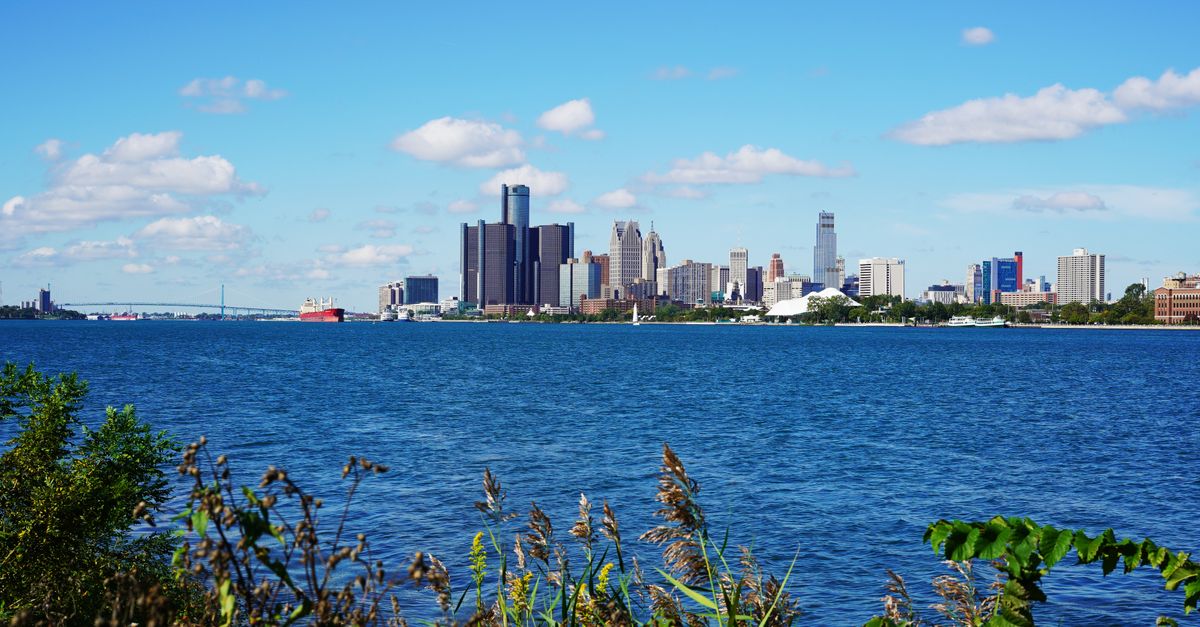
Detroit is a city of reinvention — a place where deep industrial roots meet an emerging creative economy. Its history as the heart of the American automotive industry shaped rugged brick corridors, stately historic neighborhoods, and a skyline anchored by iconic architecture; today those assets combine with new cultural energy, public investments, and grassroots neighborhood pride to make Detroit appealing to homeowners who value authenticity and opportunity. Geography plays to the city's advantage: waterfront access along the Detroit River, a network of parks and islands, and a compact urban core make it easy to get around while still enjoying green space and riverfront living.

Character in Detroit is defined by diversity of people and built forms. From grand early‑20th‑century homes to modern loft conversions and newly built infill, the city offers a range of housing types framed by vibrant commercial corridors, farmer’s markets, arts institutions, and music venues. For buyers seeking a strong sense of place, Detroit’s neighborhoods offer personality, community involvement, and plenty of chances to participate in the city’s ongoing resurgence rather than just observe it.

Real Estate Market

Detroit’s real estate market is notable for its wide spectrum of housing options, from entry-level single-family homes and renovated bungalows to downtown condos, historic mansions, and contemporary infill developments. Many neighborhoods offer rehab opportunities and long-term renovation projects alongside turnkey properties, so buyers can choose between immediate move-in homes and value-add investments. Because the housing stock is varied in age and condition, buyer needs range from careful inspections and contractor vetting to navigating financing options tailored for renovation, such as rehab loans and construction-to-permanent mortgages.

Market dynamics in Detroit are neighborhood-driven: some areas are rapidly revitalizing with new retail, restaurants, and transit investments, while others are quieter or undergoing gradual change. Inventory and demand can fluctuate by neighborhood, so working with a local agent who knows block-by-block trends is important. Prospective buyers should factor in property taxes, potential maintenance on older structures, and the benefits of local incentives or tax abatements that sometimes accompany historic rehabilitation and new construction projects.

Neighborhoods & Areas

Downtown and Midtown are cultural and employment hubs with a mix of high-rise condos, lofts, and historic apartment buildings close to museums, universities, and sports venues. Corktown retains a distinct small‑town feel within the city, characterized by historic brick homes, intimate streets, and a strong restaurant scene; it’s popular with those who want walkability and creative storefronts. Eastern Market is a lively district known for its weekend market, murals, and a mix of industrial conversions and rowhouses, attracting food-oriented businesses and apartment living.

Residential neighborhoods like Indian Village and Palmer Woods showcase grand early‑20th‑century architecture and tree-lined streets, appealing to buyers seeking historic character and larger lots. Woodbridge and West Village offer bungalow‑scale houses and a tight-knit neighborhood vibe with nearby parks and community events. Southwest Detroit, including Mexicantown, blends family-centered housing with rich cultural institutions and a bustling dining scene, while riverfront districts and adjacent suburbs provide more waterfront and suburban-style living close to the city center.

Lifestyle & Amenities

Living in Detroit means access to a rich cultural life: renowned museums, historic music venues, an active gallery scene, and a calendar of festivals and neighborhood events. Food lovers will find everything from cozy neighborhood eateries and international markets to inventive chef-driven restaurants in revitalized districts. Sports and live entertainment are integral to city life, with professional teams and performance venues drawing crowds year-round and contributing to a lively downtown after-dark atmosphere.

Outdoor recreation and amenity access are strong selling points: the Detroit RiverWalk, island parks, neighborhood greenways, and large urban parks provide space for walking, biking, boating, and family outings. Commuting options include a growing network of transit, streetcar service in key corridors, regional rail and bus connections, and highway access to surrounding areas and airports. Schools are a mix of public, charter, and private options, and many neighborhoods have active community associations that organize events, block improvements, and neighborhood beautification projects.

Why Consider Detroit?

Detroit represents a compelling opportunity for buyers and investors who want exposure to a city with deep industrial roots undergoing transformation. Long-term growth is supported by concentrations of employment in healthcare, education, advanced manufacturing, and tech-adjacent industries, as well as continued downtown and neighborhood investment in amenities, transit, and public spaces. The diversity of property types—from historic single-family homes to rental-ready multifamily buildings and new construction—creates multiple pathways for building equity, generating rental income, or repositioning assets through thoughtful rehabilitation.

Investors should balance opportunity with careful due diligence: neighborhood selection, rehabilitation costs, and management plans are key to success in a market where block-by-block dynamics matter. Smart investments often target areas with improving infrastructure, strong community engagement, and proximity to employment centers or cultural anchors. For owner-occupiers, Detroit can offer affordability relative to many major cities, the chance to participate in neighborhood revitalization, and the long-term potential that comes with living in a city actively reinventing its economy and urban fabric.

2 Properties in Detroit