Homes in Louisiana

1 CompCasa-analyzed properties across 1 cities with valuations, comparable sales data, and market insights.

Real Estate in Louisiana

CompCasa analysis of Louisiana's housing market

Louisiana Overview

Louisiana real estate is shaped by a unique blend of geography, climate and culture. The state stretches from the Mississippi River and its fertile delta to the Gulf Coast, with landscapes that include bayous, wetlands, prairies and piney woods. A humid subtropical climate brings hot summers and mild winters, while the Gulf Coast influences weather patterns and seasonal storm risk. Population centers cluster around a handful of cities and parishes, but much of the state retains a strong rural and small-town character that appeals to buyers seeking space and affordability.

What makes Louisiana attractive for homebuyers is its diversity of living experiences — from historic urban neighborhoods with centuries-old architecture to waterfront properties, suburban developments and affordable rural acreage. Culture, cuisine and music are powerful draws: communities celebrate local traditions, festivals and a vibrant food scene that give many areas notable lifestyle appeal. Buyers also find a range of housing styles, including historic Creole and shotgun homes, plantation-influenced properties, modern new builds and waterfront residences that suit varied tastes and budgets.

Housing Market

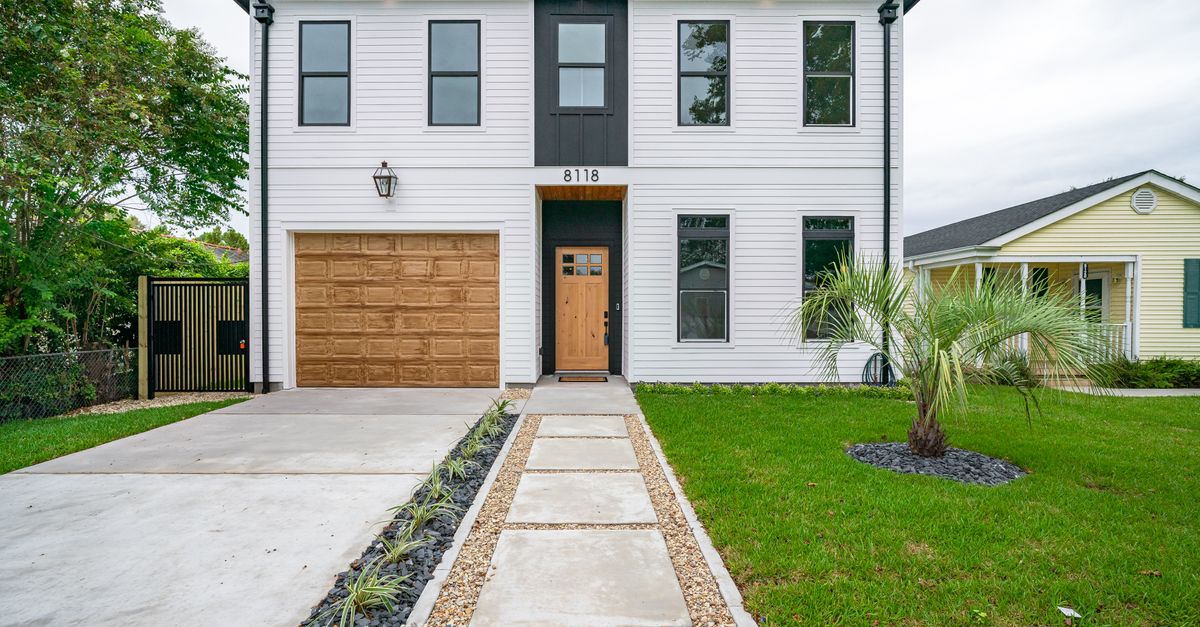
The Louisiana housing market offers a broad spectrum of price points and property types, which vary significantly by region. Coastal cities and historic districts tend to command premium prices for character and proximity to amenities, while inland and northern parishes generally provide more affordable options and larger lots. Buyers can expect to see single-family homes, condominiums, townhomes, newly constructed subdivisions, and specialty properties such as waterfront lots, bayou cottages and rural land parcels.

Purchasing in Louisiana requires attention to local factors that affect value and ownership costs. Flood risk, coastal erosion and hurricane exposure influence insurance needs, building codes and renovation priorities. Inspections for moisture, mold and termite activity are common due to the climate. Financing is similar to other markets with options for conventional, FHA and VA loans, but buyers should budget for potential insurance premiums and storm-hardening upgrades. Overall, the market offers opportunities for move-in homes, fixer-uppers, new construction and vacation or rental properties, depending on location and risk tolerance.

Key Regions & Cities

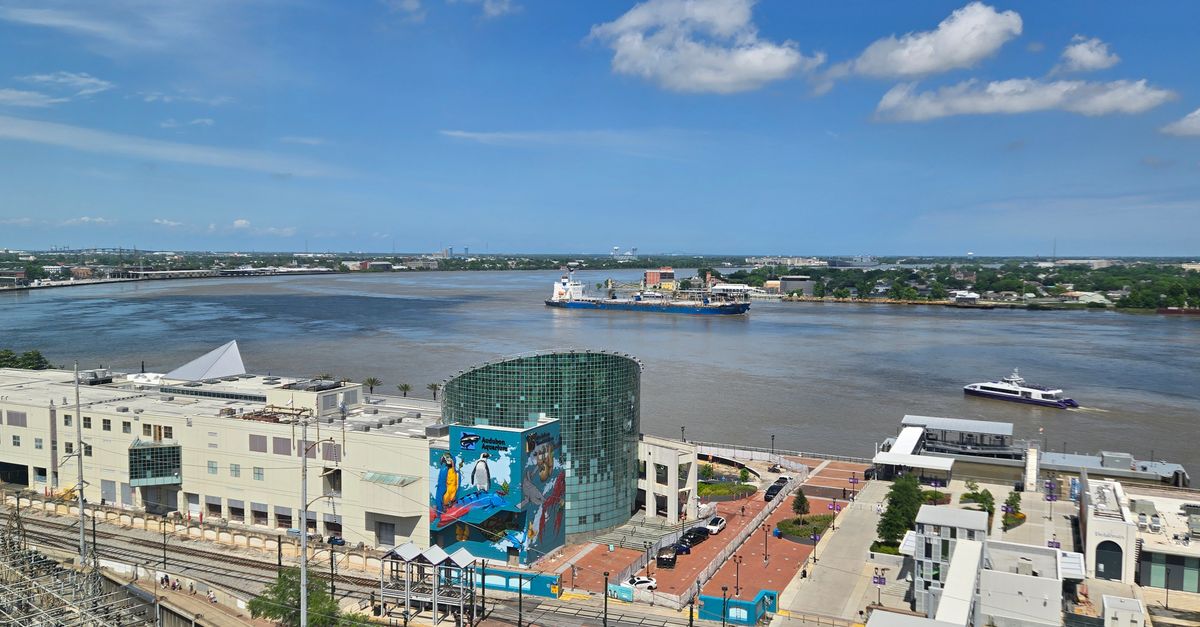
New Orleans remains the cultural and tourism hub, known for its historic neighborhoods, architecture, music scene and strong short-term rental demand in certain districts. Buyers seeking walkable urban living, historic charm and entertainment options will find a range of older homes, renovated brownstones and condominiums, though some areas require special attention to elevation and flood mitigation. Baton Rouge, as the state capital and a center for government, higher education and industry, provides a mix of suburban growth, established neighborhoods and new developments with commuter access and employment-driven demand.

Lafayette and the Acadiana region offer a family-oriented lifestyle rooted in Cajun and Creole culture, with a solid local economy and steady housing demand. Lake Charles and the coastal southwest combine energy-sector jobs and recreational coastal living, but buyers should weigh coastal risks and rebuilding trends. Shreveport-Bossier in the northwest delivers affordability, larger lot sizes and a regional economy anchored by logistics, healthcare and gaming. Surrounding parishes, the Northshore and smaller coastal towns each present niches for retirees, second-home buyers and investors seeking waterfront or quieter rural properties.

Investment Outlook

Louisiana is worth considering for real estate investment because of its economic diversity and regional strengths. Key drivers include ports and logistics along the Mississippi, the energy and petrochemical sectors concentrated along industrial corridors, tourism and hospitality in cultural centers, and healthcare and education institutions that provide steady employment. These industries support housing demand in core markets and generate opportunities for rental properties, workforce housing and redevelopment projects in urban centers.

Long-term value in Louisiana real estate depends heavily on location, resilience planning and local economic fundamentals. Coastal restoration projects, infrastructure upgrades and community revitalization efforts can enhance prospects in certain areas, while flood risk and storm exposure require proactive mitigation to protect investments. Investors and owner-occupiers benefit from local market knowledge — working with experienced agents, reviewing flood maps and insurance options, and prioritizing properties with elevation, solid construction and access to employment or tourist demand can improve outcomes over the long run.