Homes in Palm Harbor, FL

CompCasa Valuations & Market Research

1 properties analyzed · 2–2 bedrooms · Median estimate $249,000

Living in Palm Harbor, FL

CompCasa analysis of Palm Harbor's housing market

About Palm Harbor

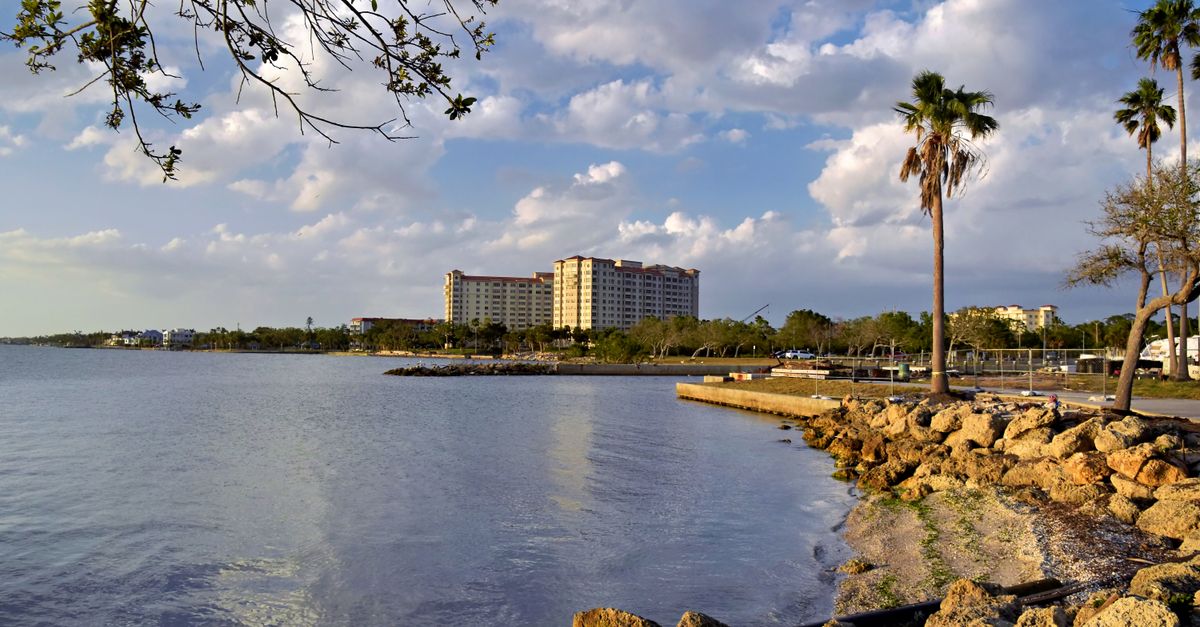
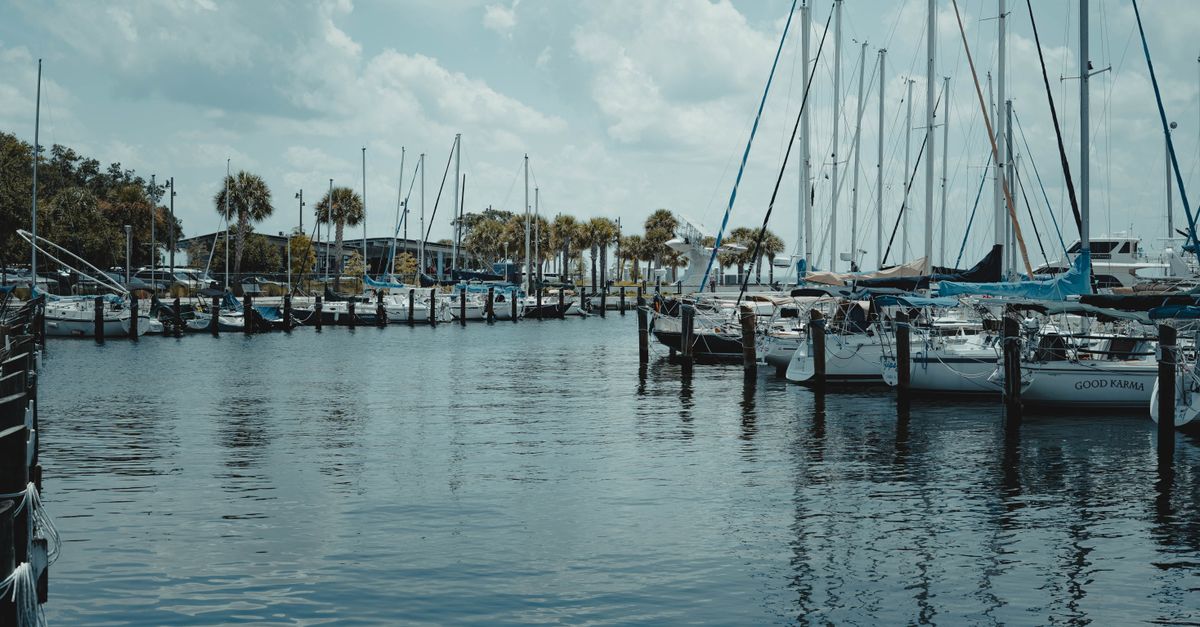
Palm Harbor, FL blends small-town charm with Tampa Bay coastal appeal, making it one of the region's most sought-after suburban communities. Nestled on the Gulf Coast in Pinellas County, Palm Harbor is defined by mature oak canopies, quiet residential streets, and a mix of historic downtown character and waterfront vistas. The community offers easy access to sandy beaches, marinas, and estuaries, with a relaxed pace that draws families, professionals, and retirees seeking a balance of recreation and everyday convenience.

Founded as a crossroads of agricultural and fishing traditions, Palm Harbor has grown into a diverse residential destination while preserving pockets of historic architecture and community-focused public spaces. The overall appeal lies in its combination of natural assets — bayside shorelines, lakes, and green spaces — and modern conveniences, including local shops, restaurants, and cultural events that keep the neighborhood feeling active without sacrificing tranquility.
Real Estate Market

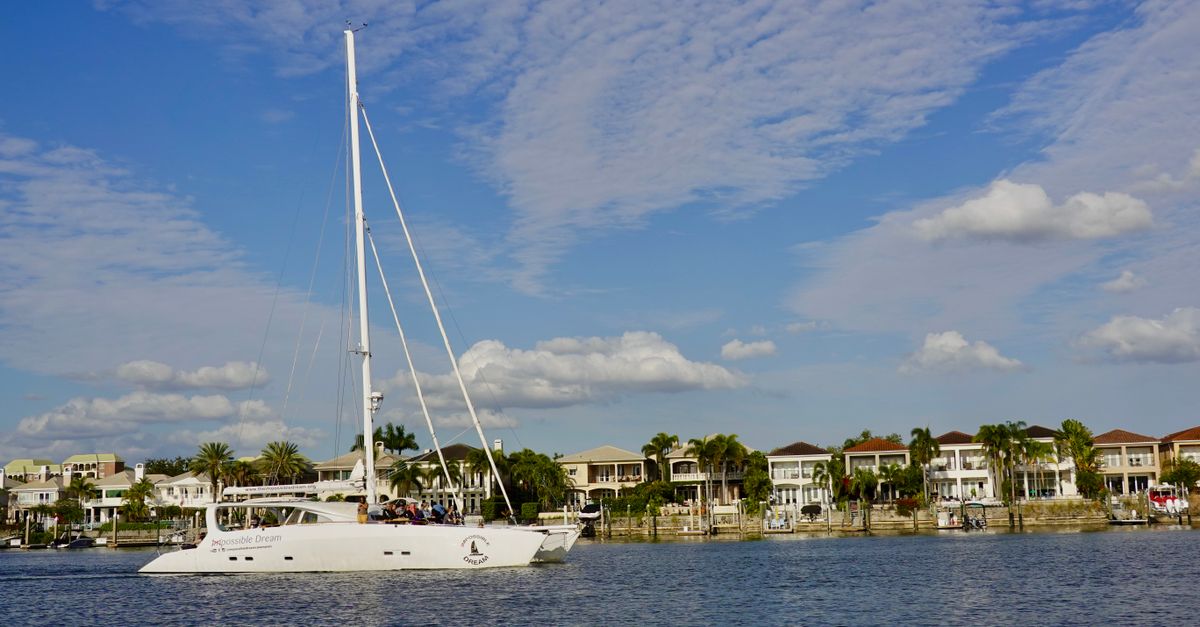
The Palm Harbor real estate market offers a broad spectrum of housing options, from waterfront estates and gulf-access homes to single-family suburban residences, townhomes, and condominium communities. Buyers can expect architecture ranging from mid-century ranches and cozy bungalows to contemporary new builds and luxury custom homes, with properties often distinguished by mature landscaping, private docks, and proximity to parks or golf courses. Many neighborhoods include homeowners associations or condo regimes, so prospective buyers should factor governing rules and fees into their search.

Market dynamics in Palm Harbor tend to reflect strong interest in waterfront and near-water properties, steady demand from both local and out-of-area buyers, and seasonal activity driven by winter residents. Competitive inventory can be a feature in desirable pockets, so buyers benefit from clear priorities and readiness to move when the right home appears. Sellers often see interest because of the area's lifestyle advantages, but prudent decision-making around inspections, flood insurance considerations, and property condition remains essential for a successful transaction.

Neighborhoods & Areas

Old Palm Harbor and the downtown corridor are valued for historic charm, walkable streets, local shops and dining, and a neighborhood feel that appeals to those who want community events and easy access to everyday amenities. Closer to the bayshore, bayside neighborhoods offer gated communities, waterfront lots with private docks, and panoramic water views that attract boating and beach-minded buyers. These areas range from established mid-century homes to custom-built luxury estates, often with mature landscaping and private outdoor living spaces.

Inland subdivisions and planned communities provide more traditional suburban living with family-friendly streets, good school access, and proximity to parks and recreation. Golf-course communities near resort-style developments are another popular segment, offering lifestyle amenities such as clubhouses, pools, and golf memberships. Lakefront pockets around local lakes create quiet, nature-oriented enclaves where residents enjoy birding, kayaking, and scenic backdrops, adding to the diverse housing tapestry of Palm Harbor.

Lifestyle & Amenities

Life in Palm Harbor centers on outdoor recreation, community events, and easy access to the Gulf Coast lifestyle. The area is known for boating, fishing, kayaking, and beach days at nearby barrier islands, while neighborhood parks, nature preserves, and public trails encourage an active, outdoor-oriented lifestyle. Dining options range from casual seafood spots and waterfront eateries to cozy local cafes and family-owned restaurants, and seasonal festivals and farmers markets add to the small-town, community-focused atmosphere.

Families appreciate access to well-regarded local schools, recreational programming, and safe neighborhoods, while retirees value the relaxed pace and healthcare access in the broader Tampa Bay region. Commuting options include convenient regional road connections and bridges to major employment centers, making Palm Harbor a practical choice for those working in nearby cities but seeking a quieter residential setting. The community culture is neighborly and engaged, with volunteer organizations, civic groups, and local events that create a strong sense of place.

Why Consider Palm Harbor?

Palm Harbor represents a compelling option for homebuyers and investors seeking long-term value tied to coastal lifestyle demand and limited waterfront supply. Its proximity to Tampa Bay economic centers, combined with quality schools, desirable amenities, and year-round recreational attractions, supports a diverse buyer pool—from families to seasonal residents and professionals—helping sustain demand across market cycles. Waterfront and near-water properties, in particular, tend to retain strong interest because of their scarcity and lifestyle premium.

Investors should also consider rental potential driven by both long-term residents and short-term seasonal visitors, though local regulations and HOA rules can affect short-term rentals, so due diligence is important. Long-term appreciation is supported by ongoing regional growth, infrastructure connectivity, and the enduring appeal of coastal communities; prudent investors will weigh insurance and flood-zone implications alongside rental demand and neighborhood fundamentals when evaluating opportunities.

1 Properties in Palm Harbor