
Homes in Sims, NC

CompCasa Valuations & Market Research

1 properties analyzed · 3–3 bedrooms · Median estimate $424,900

Living in Sims, NC

CompCasa analysis of Sims's housing market

About Sims

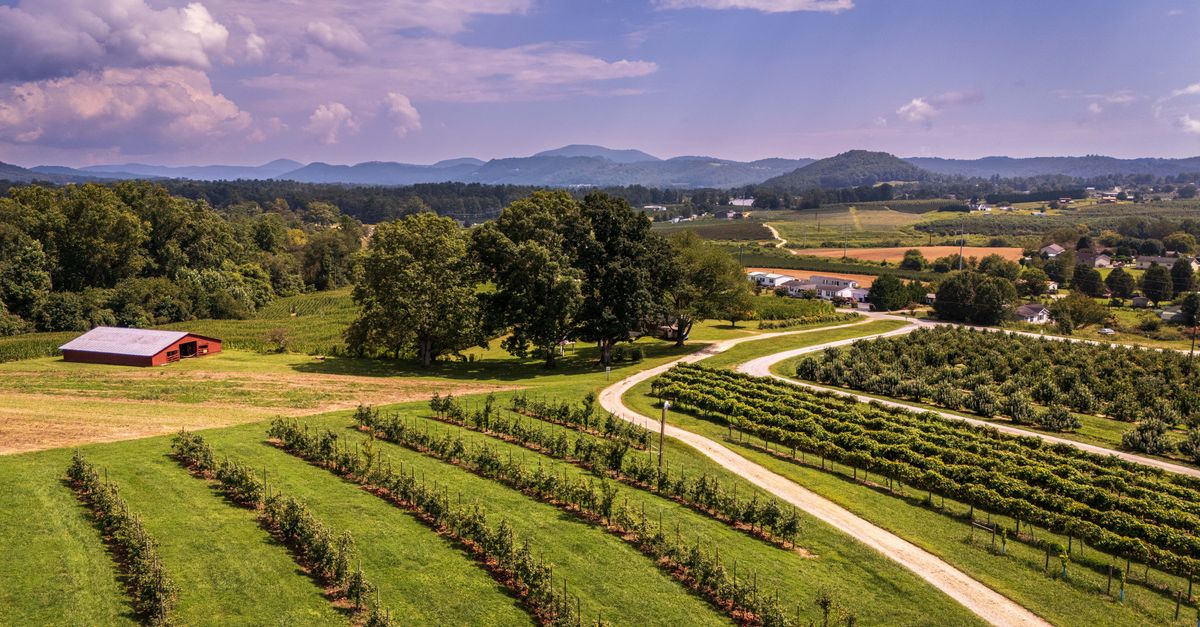
Sims, NC offers the charm of a small North Carolina town with a relaxed pace of life, Southern character, and a strong sense of community. Founded in the 19th century and shaped by agricultural roots, the town blends historic homes and landmarks with broad swaths of rural landscape. Tree-lined streets, modest downtown storefronts, and pastoral vistas give Sims a welcoming, lived-in feel that appeals to buyers looking for an escape from denser suburban sprawl.

Geographically, Sims sits in eastern North Carolina within comfortable driving distance of larger regional employment and amenity centers, making it a practical choice for commuters who want country living without total isolation. The town’s setting—often a mix of small residential clusters, working farms, and open land—creates opportunities for homeowners who value outdoor space, privacy, and the slower rhythms of rural life while still maintaining access to city services when needed.
Real Estate Market

The real estate market in Sims is characterized by variety and accessibility. Buyers will find an inventory that typically includes modest single-family homes and bungalows in the town core, ranch-style homes and new construction in small subdivisions, and larger parcels or acreage on the outskirts that appeal to hobby farmers and buyers seeking space. Housing in Sims tends to skew toward affordable and mid-priced segments compared with more urbanized parts of the state, making it attractive to first-time buyers, downsizers, and those relocating from higher-cost areas.

Market dynamics in towns like Sims often show steady, local demand with periodic surges when regional job growth or infrastructure improvements increase buyer interest. Prospective buyers should be prepared for a market where well-maintained, move-in-ready properties can attract competition, while homes needing updates may offer room for value-add renovation. Sellers benefit from limited turnover and strong buyer interest in desirable parcels; buyers should prioritize financing pre-approval, inspection diligence (especially for older systems like wells and septic), and local agent guidance to navigate the nuances of rural and small-town transactions.

Neighborhoods & Areas

Sims’ compact footprint means neighborhoods are best described by their character rather than formal subdivisions. The town center typically features older, character-rich homes, walkable streets, and proximity to community services and small businesses—ideal for buyers who want easy access to local life and short commutes to town amenities. These pockets often include heritage cottages, craftsman-style houses, and modest two-bedroom homes that reflect the town’s history.

Moving outward, you’ll find low-density residential areas and small newer developments that offer modern floor plans and slightly larger lots for families seeking more indoor and outdoor space. Beyond the built-up areas, rural parcels and small farms define the outskirts, with mobile and modular homes intermixed with traditional stick-built houses. This diversity means buyers can choose from a mix of historic charm, practical family housing, or acreage for private retreat and recreational use.

Lifestyle & Amenities

Life in Sims centers on community connections, outdoor recreation, and a slower rhythm that many residents find restorative. Local schools and community organizations play a central role in town life, hosting events and activities that bring neighbors together. For daily needs, small-town businesses, churches, and civic groups provide the backbone of services and social life, while regional centers accessible by car expand options for shopping, healthcare, and entertainment.

Outdoor enthusiasts appreciate the easy access to parks, waterways, and open land for fishing, hunting, hiking, and equestrian activities. Dining and nightlife are understated but authentic—family-run restaurants, cafés, and seasonal festivals highlight local flavors and traditions. Commute options are largely automobile-based, with straightforward access to nearby highways that connect residents to larger employment hubs; for many, the trade-off of a longer drive is offset by lower housing costs, larger lots, and a tight-knit community culture.

Why Consider Sims?

Sims represents an appealing mix of affordability, lifestyle value, and long-term potential for both homeowners and investors. Its lower entry costs compared with metropolitan areas make Sims attractive for buyers seeking rental income, second homes, or long-term appreciation tied to regional growth. Investors often find opportunities in small single-family rentals and single-family renovations that cater to steady local demand from workers, families, and retirees drawn to small-town living.

Economic factors that support Sims’ appeal include its proximity to regional employment centers, ongoing interest in affordable housing options, and the steady desirability of rural and small-town settings for buyers seeking space and community. Over the long term, incremental infrastructure improvements, modest population inflow, and the scarcity of developable infill within the town core can support value retention and appreciation, especially for properties with good access to services and well-maintained land.

1 Properties in Sims