
Homes in Missouri

1 CompCasa-analyzed properties across 1 cities with valuations, comparable sales data, and market insights.

Real Estate in Missouri

CompCasa analysis of Missouri's housing market

Missouri Overview

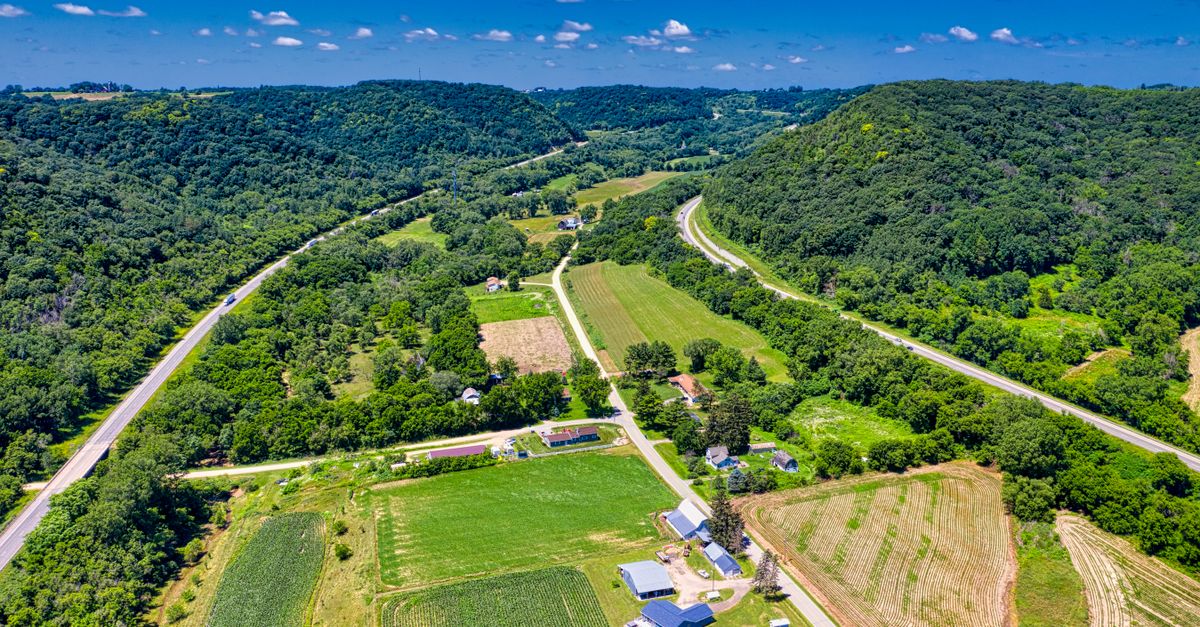
Missouri real estate offers a diverse landscape that ranges from vibrant riverfront cities to tranquil rural acreage, making it a flexible choice for a wide spectrum of homebuyers. The state sits in the heart of the Midwest, with a mix of rolling plains, the Ozark highlands, and major rivers that shape local communities and recreational opportunities. Climate is continental with four distinct seasons, which influences neighborhood character and landscaping; buyers can expect hot summers, cool winters, and scenic seasonal change that enhances curb appeal for many property types.

Population centers such as St. Louis and Kansas City anchor Missouri with urban amenities, while mid-sized cities and college towns provide steady demand and a smaller-town quality of life. What makes Missouri attractive for homebuyers is the combination of regional affordability, a range of housing styles—from historic brick row houses and Craftsman bungalows to modern new construction—and abundant outdoor lifestyle options like lakes, state parks, and riverfront living. Whether seeking a starter home, suburban yard, or rural retreat, Missouri’s variety of communities supports many lifestyles and investment goals.

Housing Market

The Missouri housing market is characterized by geographic diversity and a wide span of price points, so buyers typically find anything from entry-level homes to high-end riverfront estates and luxury lake properties. Urban cores often feature condos, historic homes, and infill development, while suburbs and exurbs deliver single-family houses with yards and newer planned communities. Rural markets include farms, timberland, and recreational properties in the Ozarks and around major lakes, offering options for buyers seeking acreage or a second home.

Buyers should expect market conditions to differ by region: city neighborhoods may experience steady demand driven by employment hubs and amenities, while smaller towns and rural areas can move more slowly and be influenced by seasonal demand. Typical considerations include neighborhood trends, school districts, commuting patterns, and property condition—particularly for older historic homes that may require renovation. Financing options and inspection priorities can vary for different property types, so working with local real estate professionals helps buyers navigate appraisal expectations, local disclosures, and neighborhood comparables effectively.

Key Regions & Cities

St. Louis and Kansas City are Missouri’s largest real estate hubs and offer contrasting urban experiences. St. Louis blends historic neighborhoods, riverfront redevelopment, and walkable suburbs with strong cultural and medical institutions that support rental and owner-occupied demand. Kansas City features a growing downtown scene, arts and food districts, and suburban communities that appeal to families and young professionals. Both metros present opportunities for investors in multi-family housing, single-family rentals, and renovation projects in established neighborhoods.

Beyond the big cities, Springfield and the surrounding southwest Missouri region attract buyers with more affordable housing and access to the Ozarks, appealing to families and outdoor enthusiasts. College towns like Columbia create steady student-driven rental markets and stable long-term demand. The Lake of the Ozarks and Branson areas are strong for vacation homes and short-term rentals, while smaller towns and rural counties offer farmland, hobby farms, and quiet residential living. Suburban corridors radiating from major cities provide a mix of master-planned communities, new construction, and established neighborhoods favored by commuters.

Investment Outlook

Missouri remains a compelling option for real estate investors because the state combines a diversified economy with comparatively lower ownership costs and a variety of market niches. Strong economic drivers include healthcare, education, manufacturing, logistics, and regional corporate growth that support job stability and rental demand. University towns and medical districts create predictable tenant pools, while downtown revitalization projects and commercial investment in metro areas can lead to neighborhood appreciation and redevelopment opportunities.

Long-term value in Missouri real estate often reflects a buy-and-hold mindset, selective rehabilitation of historic properties, or strategic acquisitions near employment centers and growing suburbs. Vacation rental potential around lakes and tourist destinations, along with affordable entry points for small multi-family buildings, gives investors flexibility in portfolio strategy. As always, sound due diligence—assessing local market fundamentals, property condition, rental regulations, and long-term development plans—will be key to capturing steady income and appreciation in Missouri’s varied markets.