
Homes in Miami, FL

CompCasa Valuations & Market Research

10 properties analyzed · 1–6 bedrooms · Median estimate $1,185,000

Living in Miami, FL

CompCasa analysis of Miami's housing market

About Miami

Miami is a vibrant coastal metropolis known for its sun-soaked beaches, dynamic skyline, and multicultural character. Positioned between Biscayne Bay and the Atlantic Ocean, the city blends tropical geography with an urban energy that attracts residents who want both outdoor living and big-city amenities. Miami's history as an international gateway has shaped a distinctive cultural mix—Latin American, Caribbean, European, and American influences that show up in language, food, music, and festivals across neighborhoods.

Architecturally eclectic, Miami features everything from historic Art Deco districts along the beach to modern glass towers downtown. The city’s waterfront geography, parks, and proximity to unique ecosystems like the Everglades create a lifestyle centered on water recreation, year-round outdoor living, and cultural experiences. This combination of climate, culture, and commerce makes Miami a sought-after destination for homebuyers and renters alike who crave a diverse, active lifestyle in South Florida.
Real Estate Market

Miami’s real estate market is diverse and fast-moving, offering a wide range of housing types including high-rise condos, luxury waterfront residences, single-family homes, townhouses, and newer mixed-use developments. Buyers can choose from historic bungalows and Mediterranean-style homes to contemporary condominiums with skyline or ocean views. The market tends to reflect strong demand for waterfront properties and downtown living, as well as interest in suburban neighborhoods that offer more space and family-friendly amenities.

Prospective buyers should be prepared for market dynamics that include seasonal demand, competitive bidding for desirable properties, and a focus on location and building quality. Important considerations when shopping for Miami real estate include HOA rules and fees, insurance and flood zone requirements, building age and maintenance history, and local permitting for renovations. Working with a local agent familiar with neighborhood nuances, building reputations, and hurricane-resilience issues will help buyers make informed choices in this varied market.

Neighborhoods & Areas

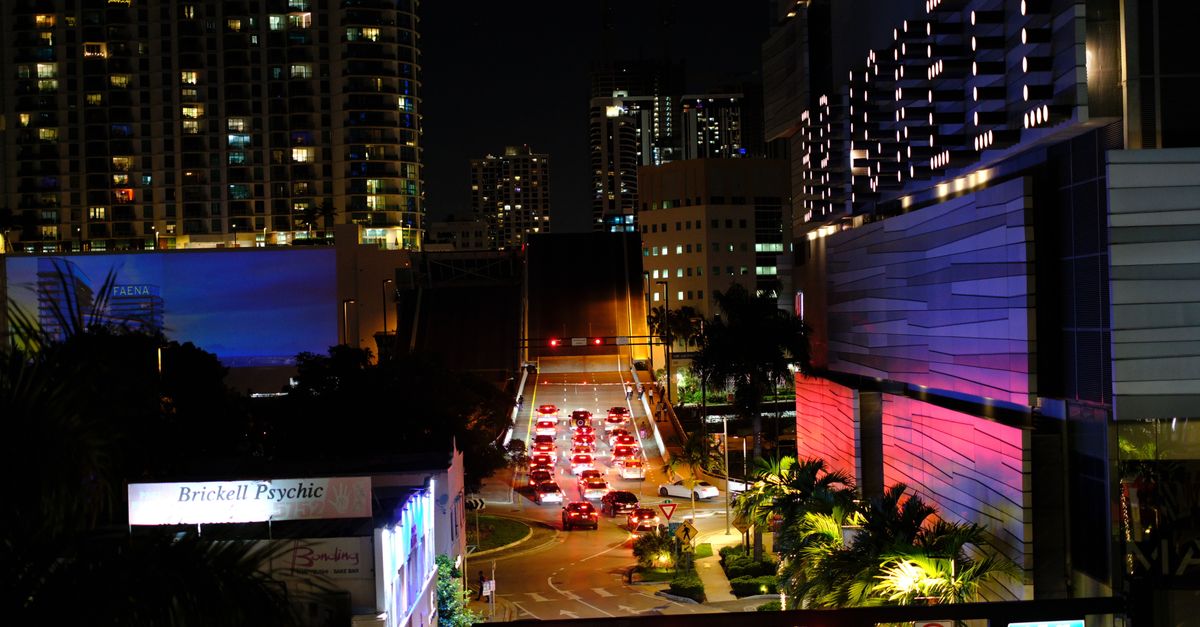
Miami offers distinct neighborhoods each with its own personality. Brickell and Downtown are urban hubs with high-rise condos, corporate offices, and a lively nightlife, favored by professionals who want walkability and transit options. Miami Beach, including South Beach and Mid-Beach, is famous for its beachfront living, Art Deco architecture, and tourism-driven energy, offering a mix of hotels, condos, and historic houses. Wynwood and the Design District are creative neighborhoods known for galleries, street art, fashion, and loft-style living, attracting buyers who value art, dining, and culture.

For a more residential feel, Coral Gables and Coconut Grove feature tree-lined streets, Mediterranean and historic homes, and a strong sense of community with parks, boutique shopping, and family-friendly amenities. Little Havana provides vibrant cultural life and traditional bungalows, while neighborhoods like Key Biscayne and Aventura offer island-style living, marinas, and resort-like settings. Emerging suburbs and planned communities around the city provide more space, modern construction, and good schools for families seeking quieter lifestyles with easy access to the core urban centers.

Lifestyle & Amenities

Quality of life in Miami centers on outdoor living, culinary diversity, and cultural richness. The city’s parks, beaches, and waterfront esplanades provide opportunities for boating, paddleboarding, cycling, and year-round recreation. Miami’s dining scene spans street-side Cuban cafes to cutting-edge fine dining, reflecting its multicultural population. Museums, music venues, theaters, and annual festivals create a busy cultural calendar that keeps residents engaged and draws visitors from around the world.

Schools, both public and private, serve neighborhoods across the city and surrounding suburbs, with educational options that include specialized programs and international schools. Transportation options include major highways, commuter rail, local transit, and a growing network of bike lanes and walkable neighborhoods; many residents also rely on car commuting. Community culture is bilingual and globally connected, with strong neighborhood identities, active community organizations, and a lifestyle that emphasizes socializing, outdoor activities, and access to international travel and business hubs.

Why Consider Miami?

Miami remains an attractive option for homebuyers and investors because of its role as an international gateway, diversified economy, and strong tourism market. The city draws global capital, seasonal residents, and professionals in finance, tech, creative industries, and international trade, creating ongoing demand for both rental housing and ownership properties. Florida’s tax environment, accessibility to major airports and seaports, and reputation as a desirable lifestyle destination all contribute to long-term interest in Miami real estate.

Investors and buyers often find value in Miami’s mix of income-producing opportunities, from long-term rentals in family neighborhoods to luxury condo markets and short-term rental potential in tourist-heavy areas—while being mindful of local regulations. Long-term growth drivers include redevelopment projects, infrastructure investment, and sustained interest from domestic and international buyers. Careful attention to property location, flood mitigation, building quality, and local market cycles can help buyers and investors position themselves for durable returns and lifestyle benefits in South Florida.

10 Properties in Miami